
Can You Use FSA or HSA Funds for Dental Care Before Year End?

If you still have money in a flexible spending account or health savings account, a dental visit is one of the simplest ways to put it to work. Most routine and restorative FSA and HSA dental care counts as a qualified medical expense.
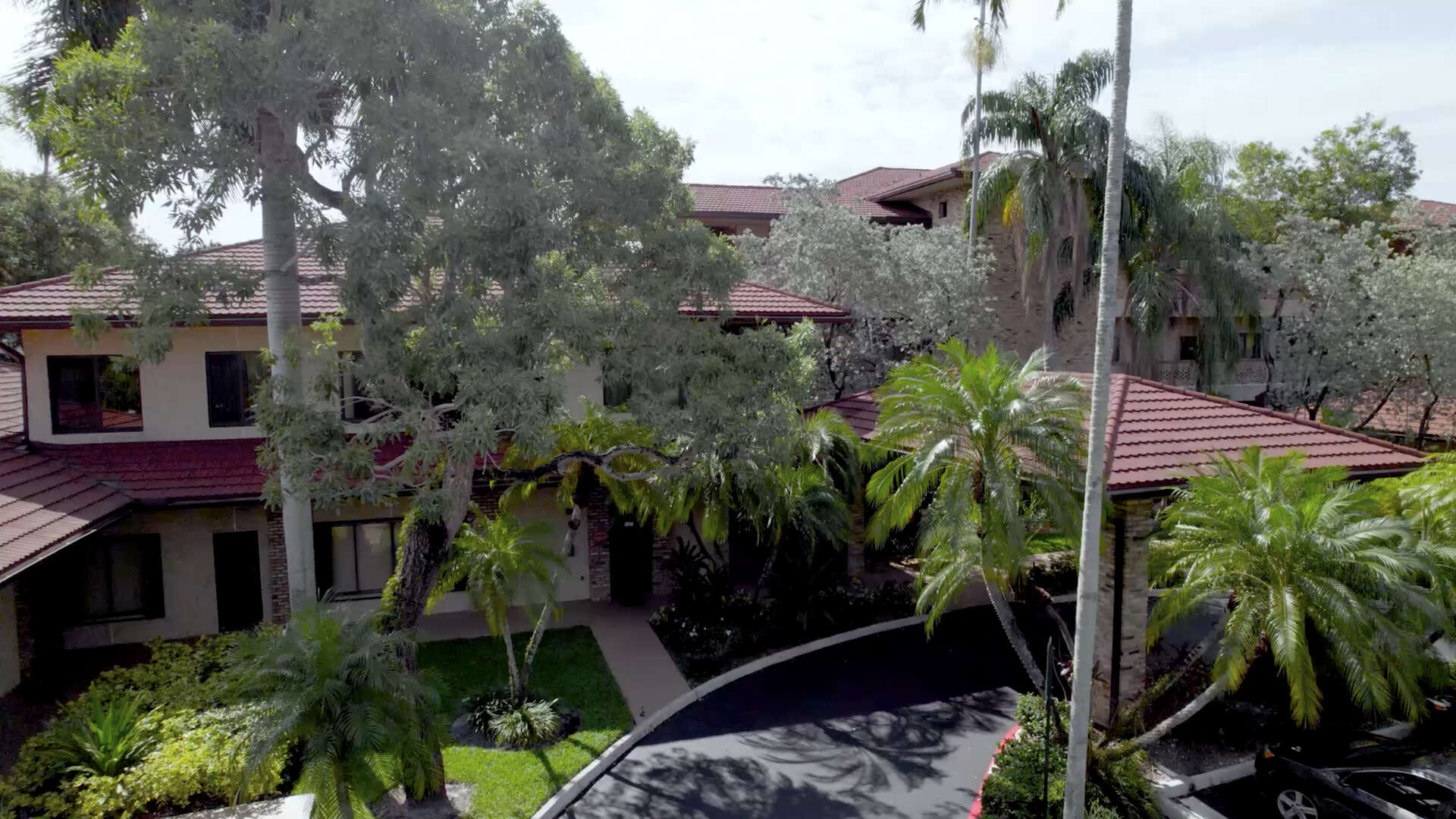
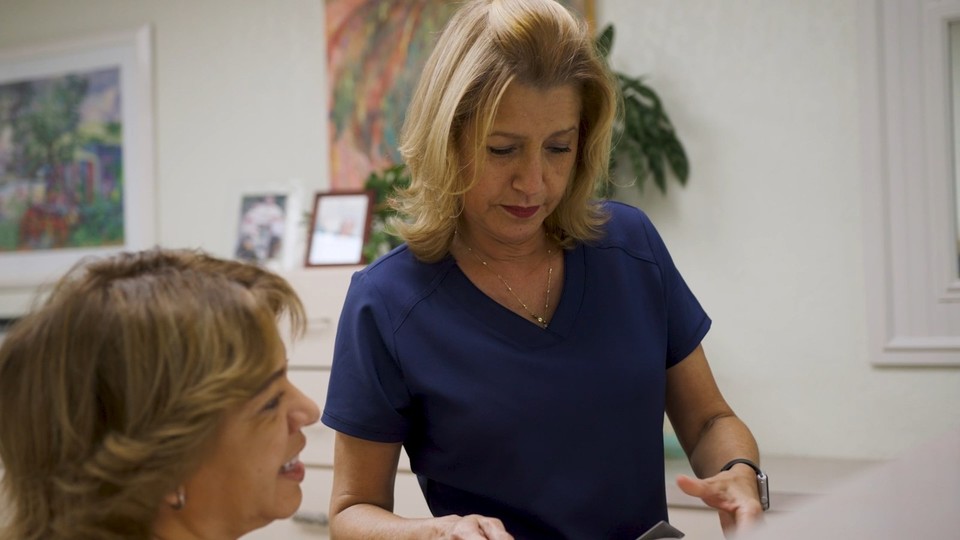
Our Plantation, FL dentists and front desk team can help you plan a visit that fits your remaining balance.
Here's what to know before the calendar flips.
Do Dental Expenses Count for FSA and HSA Funds?
Yes, in most cases. The IRS counts when it prevents or relieves dental disease.
That covers a wide range of everyday care. FSAs and HSAs use the same qualified-expense rules, though your plan administrator has the final word on any single claim.
The FSA Deadline Is the One to Watch
FSAs are generally , so money left at the end of the plan year can be forfeited. Many plans follow the calendar year, which makes December the last stretch.
Some employers soften this with a . A grace period adds up to 2.5 months, while a carryover moves a set amount into next year.
A plan can offer one or the other, but not both. Check your plan documents before assuming either applies.
HSA Money Rolls Over, but Timing Still Helps
HSA balances generally carry over from one year to the next. There's no year-end deadline to spend them.
Even so, a December visit can make sense if you've already met your deductible. It's also a good time to catch small problems before they grow into larger, costlier ones.
Dental Care That Usually Qualifies
The IRS names cleanings, sealants, fluoride, X-rays, fillings, braces, extractions and dentures as qualifying examples. At our office, that often means:
- Teeth cleanings, which we recommend every 6 months
- Oral exams and digital X-rays
- Deep cleaning for gum disease through periodontal treatment
- Restorative care, including fillings and replacing a worn crown
Our full list of preventive dentistry services and dental services shows what else we offer.
What Usually Does Not Qualify
Purely cosmetic work generally isn't a qualified expense. The IRS specifically excludes teeth whitening, so professional teeth bleaching is usually paid another way.
Toothpaste, floss and other everyday hygiene products are also typically excluded. A treatment with both a cosmetic and a health purpose may need extra review by your plan.
Make the Most of a December Visit
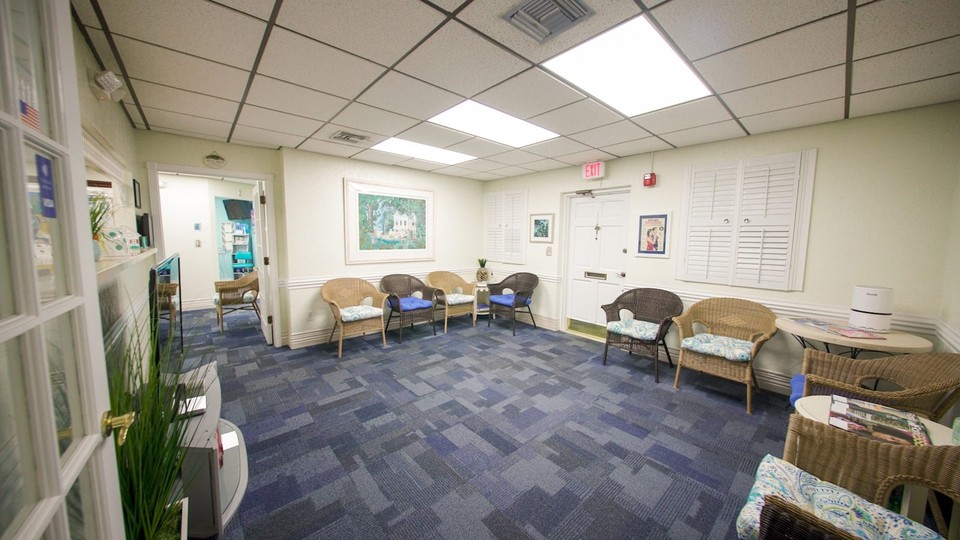
Start with a cleaning and exam, since that visit shows whether anything else needs attention. Our team can also work with your insurance so your FSA or HSA picks up the remaining cost.
If you want an exact benefits answer first, ask for a pre-treatment estimate before any work begins. It can take about 6 to 8 weeks, so it's best for larger care you plan to start in the new year.
Tuesday evening hours and a monthly Saturday can help busy schedules. Watching for signs you need a dental visit and keeping up cleanings with at-home care helps you spend wisely all year.
Frequently Asked Questions
Can I pay Barr Dental Group with an FSA or HSA card?
Barr Dental Group accepts most major forms of payment, so ask our front desk to confirm your FSA or HSA card before your visit. Your estimated co-payment is due the day of treatment.
If your plan reimburses you instead of issuing a card, ask for an itemized receipt. Your plan administrator will usually want the date, procedure and amount paid.
How long does a pre-treatment estimate take?
A pre-treatment estimate can take about 6 to 8 weeks to come back from your insurance company. You need to let our office staff know you want one before any work starts.
Because of that timeline, a request made in December usually won't return before the year ends. It works best for planning larger care in the new year.
Can I use FSA money for teeth whitening?
Usually not. Teeth whitening is considered cosmetic, so it generally can't be paid with FSA or HSA funds.
The specifically lists whitening as a nonqualifying expense. You can still use your account for a cleaning or exam and pay for professional bleaching separately with another payment method.
What happens if my FSA has a grace period or carryover?
A grace period or carryover gives you more time, but only if your employer's plan includes one. Without either, unused FSA money is generally forfeited after the plan year ends.
Your benefits portal or HR team can tell you which option your plan uses. Knowing that early helps you decide whether to book before December 31 or shortly after.
Can I schedule a visit outside regular work hours in December?
Yes, there are a few options. Our Plantation office is open until 8 pm on Tuesdays, and we see patients on one Saturday each month.
Weekday hours are 8 am to 5 pm on Mondays, Wednesdays and Thursdays. December fills quickly, so call early if you want to use your remaining FSA balance before the year ends.
Plan Your Year-End Dental Visit
A little planning now can turn leftover benefits into a healthier smile for the new year. Our Plantation, FL dental office is happy to help you sort out FSA and HSA dental care.
Call Barr Dental Group today at (954) 327-7400 or request an appointment online.